
THE CAMP PJ TEEN PATHWAY (Ages 13–20)
A 7-year phased journey from early adolescence to early adulthood.
OVERVIEW: The 3 Pillars of the Teen Pathway
A safe, structured transition into adulthood.
Every part of the pathway is built on three elements:
1. Identity Formation (Who am I?)
Emotional intelligence, values, confidence, purpose.
2. Capability Development (What can I do?)
Skills, micro-experiences, leadership, tasks, routines.
3. Future Direction (Where am I going?)
Career exposure, safe “try it” sessions, mentors, real opportunities.
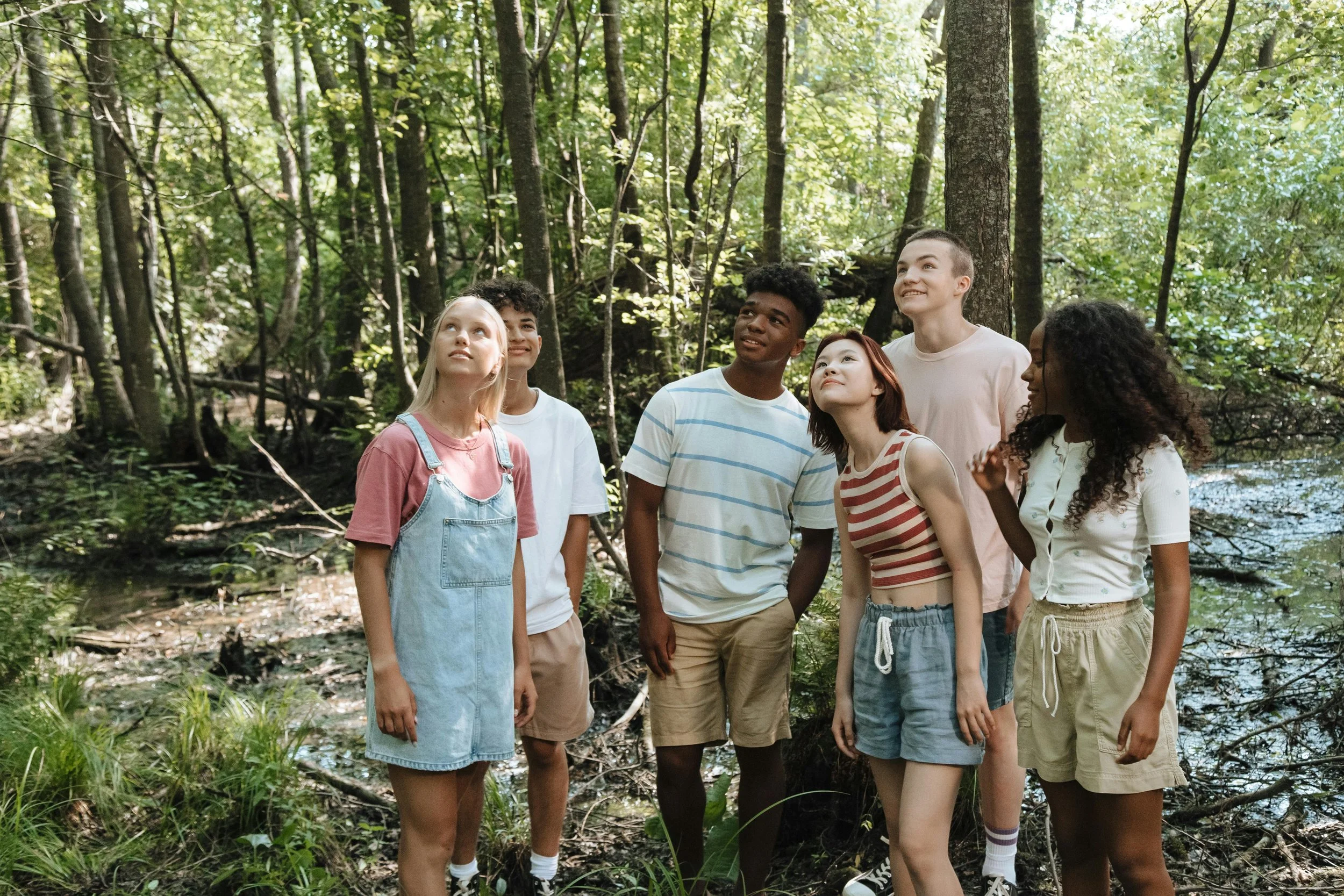
PHASE 1: Ages 13–14
Awakening & Belonging
Children discover their identity, voice, and emotional landscape.
Goals
Develop self-awareness
Build emotional literacy
Create stability and belonging
Introduce leadership microscopic roles
Help them feel seen and valued
Core Components
Emotional Intelligence 101
Identity Circles
Mini Leadership Roles
Creativity & Expression
Outcome
Children stop seeing themselves as “lost kids” and start seeing themselves as developing individuals with inner worth.
PHASE 2: Ages 15–16
Competence & Capability
This is where kids who never trusted themselves begin to feel capable.
Goals
Build real-world confidence
Teach responsibility through small tasks
Help them discover strengths
Introduce structured challenges
Begin vocational exposure
Core Components
Responsibility Tracks
Teens choose a track to explore for 3–6 months:
Animal care
Kitchen & nutrition
Garden/agriculture
Creative arts
Youth leadership
Maintenance
Tech/media
Outdoor/survival skills
Purpose Micro-Experiences
Small, contained identity-changing experiences such as:
Leading a group warm-up
Managing a project for a week
Caring for a small area of the camp
Organizing a mini-event
Helping younger kids
Presenting a short reflection
Career “Taste Tests”
Try small roles for a few hours:
shadowing local businesses
meeting community leaders
creative studio visits
hands-on skill days (basic carpentry, gardening, caregiving, art)
Emotion + Capability Workshops
Emotional regulation:
“How to stay calm while trying new things”
“How to handle frustration”
“How to ask for help”
Outcome
Children finally experience the feeling I never had until my late twenties. This is the guidance PJ was growing into, but never got to experience fully. Their inner guidance becomes:
“I can do things.
I have strengths.
I’m not broken.”
PHASE 3: Ages 17–18
Direction & Mentorship
A phase that replaces Job Corps and adds emotional intelligence.
Goals
Choose pathways
Gain real mentoring
Build a future orientation
Strengthen emotional regulation under stress
Make long-term decisions safely
Core Components
Camp PJ Mentorship Match
Each teen is paired with an adult mentor in:
business
trades
creative industries
tech
nonprofit work
leadership
community roles
Identity & Purpose Sessions
Guided sessions around:
personal values
strength inventory
interest discovery
future identity exploration
meaning-based goal-setting
personal philosophy building
Structured Opportunities
Teens complete:
community service projects
group missions
leadership challenges
job preparation micro-courses
emotional communication training
Career Pathway Testing
Teens try:
a workshop at a local trade school
a job-shadowing day
a creative studio day
a nonprofit service shift
simple internships
Outcome
Teens gain directional clarity.
They stop drifting.
They begin to form a self-led identity.
PHASE 4: Ages 19–20
Transition & Launch
This is where youth transition into adulthood with real stability.
Goals
Provide a soft landing into adult life
Offer structure + support
Create a launchpad for employment
Build community accountability
Continue emotional development
Replace the collapse many youth experience at 18
Core Components
1. Camp PJ Fellows Program (1 year)
2. Job Pathways Network
3. Emotional Support Circle
4. Legacy Scholarship Fund
Outcome
Youth enter adulthood with:
purpose
direction
skill
emotional support
a sense of belonging
mentorship
community
stability
a safe “base” to return to
They become the adults my brother and I never had help becoming.